Address
304 North Cardinal
St. Dorchester Center, MA 02124
Work Hours
Monday to Friday: 7AM - 7PM
Weekend: 10AM - 5PM
Address
304 North Cardinal
St. Dorchester Center, MA 02124
Work Hours
Monday to Friday: 7AM - 7PM
Weekend: 10AM - 5PM

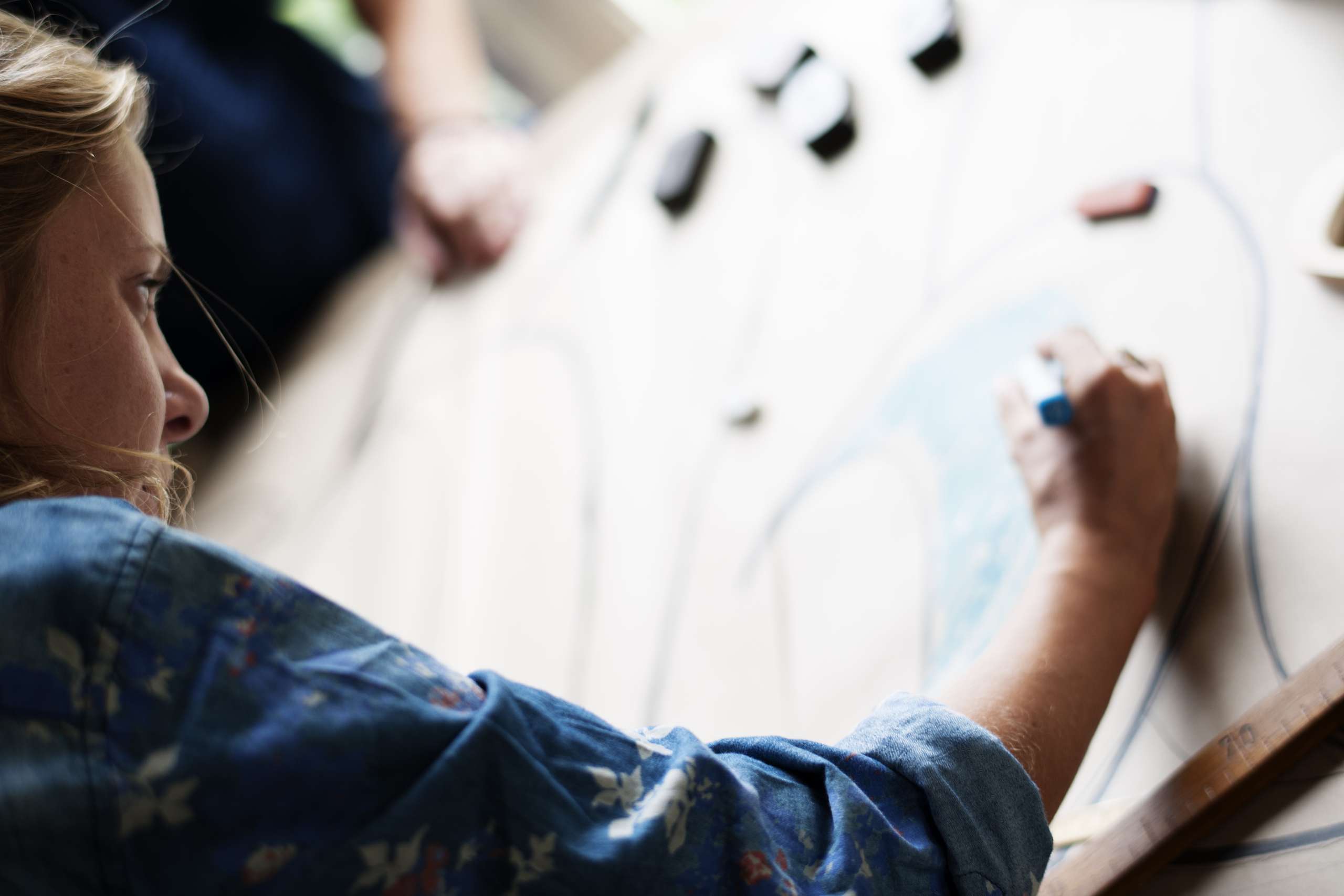
After several weeks of regular practice many beginners notice their sketches look similar day after day with little visible progress. This plateau often arrives when the same comfortable subjects and habits repeat without enough challenge. Instead of pushing harder on the same apple or mug try switching to objects with more complex edges like a crumpled cloth or a pair of glasses. Place the new subject at an unusual angle and force yourself to observe relationships between overlapping parts that were not present before.
One frequent issue is continuing to draw only what feels safe while avoiding difficult areas such as foreshortened shapes or tricky negative spaces. The mind quietly skips over these sections and the drawing stays flat. To move past this spend the middle portion of each session deliberately tackling one uncomfortable element such as the way fabric folds or the way a handle connects to a body. Redraw that single trouble spot multiple times on a separate sheet comparing each attempt directly to the object until the eye begins to register the true angles and curves.
A practical fifteen-minute daily session can break through stagnation when structured around deliberate discomfort. Begin with three minutes of quick warm-up lines to loosen the hand. Use the next seven minutes to draw the full object focusing mainly on its overall gesture and major proportions. Dedicate the final five minutes exclusively to refining the most challenging area identified earlier making small deliberate corrections each time the eye catches a mismatch. Keep the total time short so the brain stays fresh and eager rather than tired.
When progress feels frozen again take a single session to draw the same subject three times in a row using a different tool or viewpoint each time. The forced variety highlights exactly where old habits still limit accuracy and reveals new ways of seeing the form. These small experiments turn the plateau into valuable information rather than frustration.
Consistent short sessions that introduce one new visual puzzle each day train both eye and hand to handle greater complexity over time. The drawings gradually regain forward momentum as previously difficult elements become familiar territory. What once looked impossible slowly becomes another solvable piece of the larger composition.
Returning regularly to varied everyday objects keeps the practice alive and prevents the eye from settling into repetitive patterns. Each breakthrough builds quiet confidence that the next plateau will also yield to patient focused observation and repeated attempts.